
FAIL (the browser should render some flash content, not this).


Over the past 15 years, TRACLabs has been on the forefront of robotics and automation technology. Learn more about the history of robotics and the pivotal role TRACLabs has played ...more


TRACLabs is predominantly an R&D team developing custom software and technology for NASA, the DOD and the private sector. However, we do have a growing number of proprietary products available for purchase. Contact us for a custom product or solution.
 

Our researchers are internationally recognized for thier contributions to robotics and artificial intelligence. We work hand-in-hand with the government, universities & the private sector to conduct cutting edge research into robotic mechanisms, intelligent robot control, data interpretation/ summarization & process control.


12/04/2009
TRACLabs Awarded Army Robotics Contract

The US Army has awarded TRACLabs Inc. a Small Business Innovation Research (SBIR) contract worth $70,000 over six months.  The contract is to design a compact stereo vision system for use on small unmanned ground vehicless.

11/23/2009
TRACLabs Awarded Four NASA Robotics and Automation Contracts

NASA has awarded TRACLabs Inc. two Small Business Innovation Research (SBIR) contracts and two Small Business Technology Transfer (STTR) contracts worth almost $400,000. The awards include: 1) Distributed Diagnosis, Prognosis and Recovery for Complex Systems (with Vanderbilt University); 2) Integration of Notification with 3D Visualization of Rover Operations (with Carnegie Mellon University); 3) Advanced Modeling Tools for Controlling Complex Assets Across Time Delay; and 4) Software Agents for Group Awareness and Inter-agent Conflict Management.

11/02/2009

TRACLabs Awarded Air Force Automation Coact
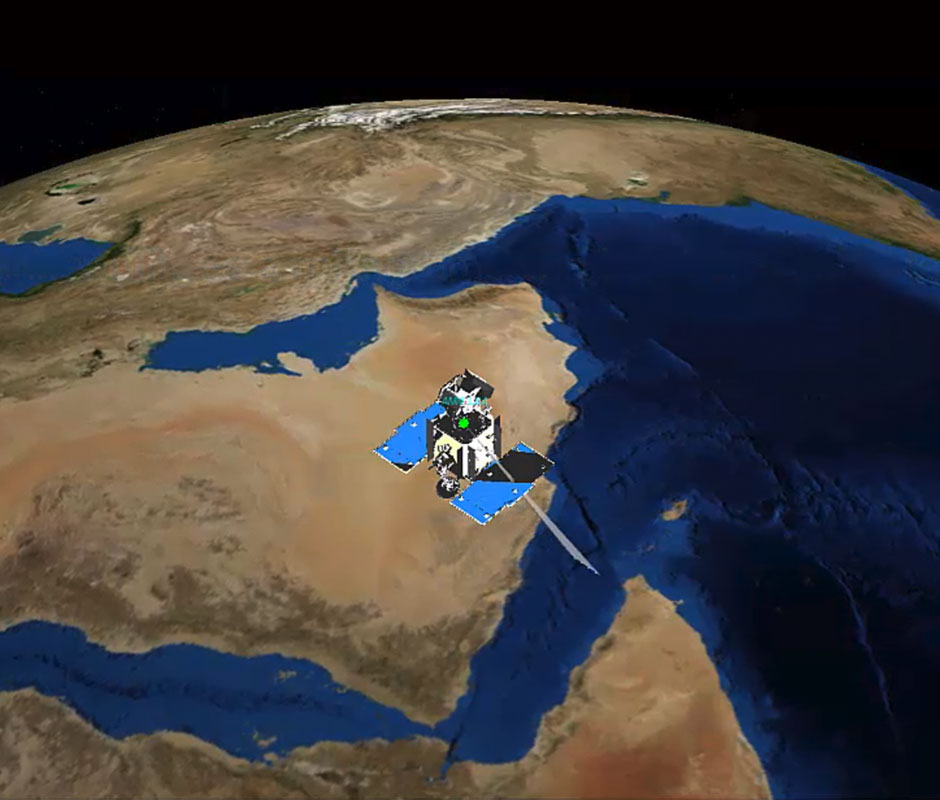
The US Air Force has awarded TRACLabs inc. a Small Business Innovation Research (SBIR) contract worth nearly $750,000 to develop on-board automation software for satellite control.  The technology is called the Highly Autonomous Mission Manager for Event Response (HAMMER).

10/06/2009
TRACLabs Awarded Three NASA Automation Contracts

NASA has awarded TRACLabs Inc. three Small Business Innovation Research (SBIR) contracts worth $1.8 million over two years. One contract will transition TRACLabs automation technology into NASA Johnson Space Center's next generation Mission Control Center (MCC).
Another contract will apply TRACLabs automation technology to optimization of NASA JPL's Deep Space Network. The third will apply TRACLabs technology to analyzing human factors incidents in crewed space missions.


09/01/29
TRACLabs Awarded DARPA Robotics Contracts
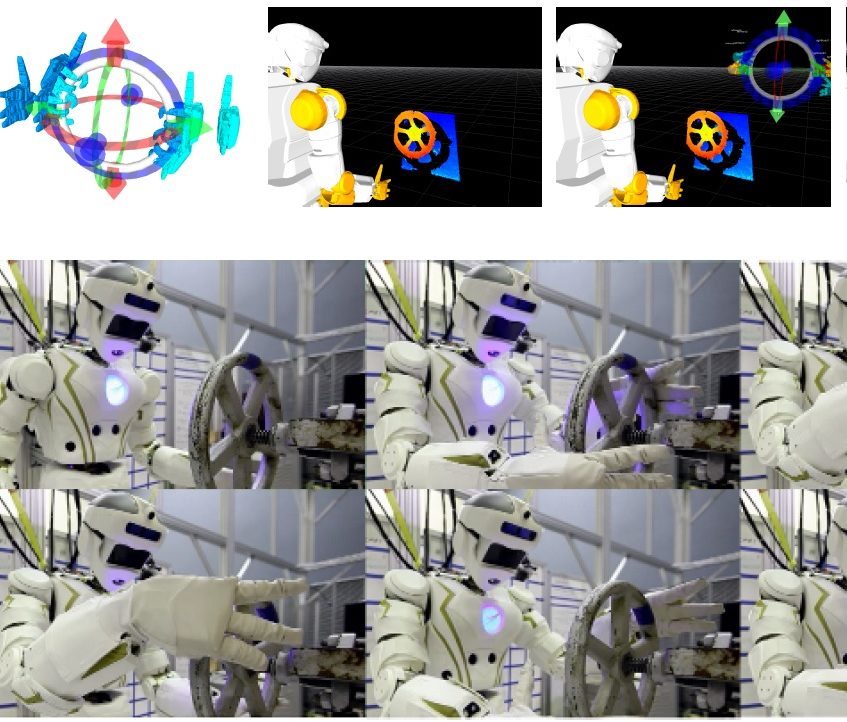
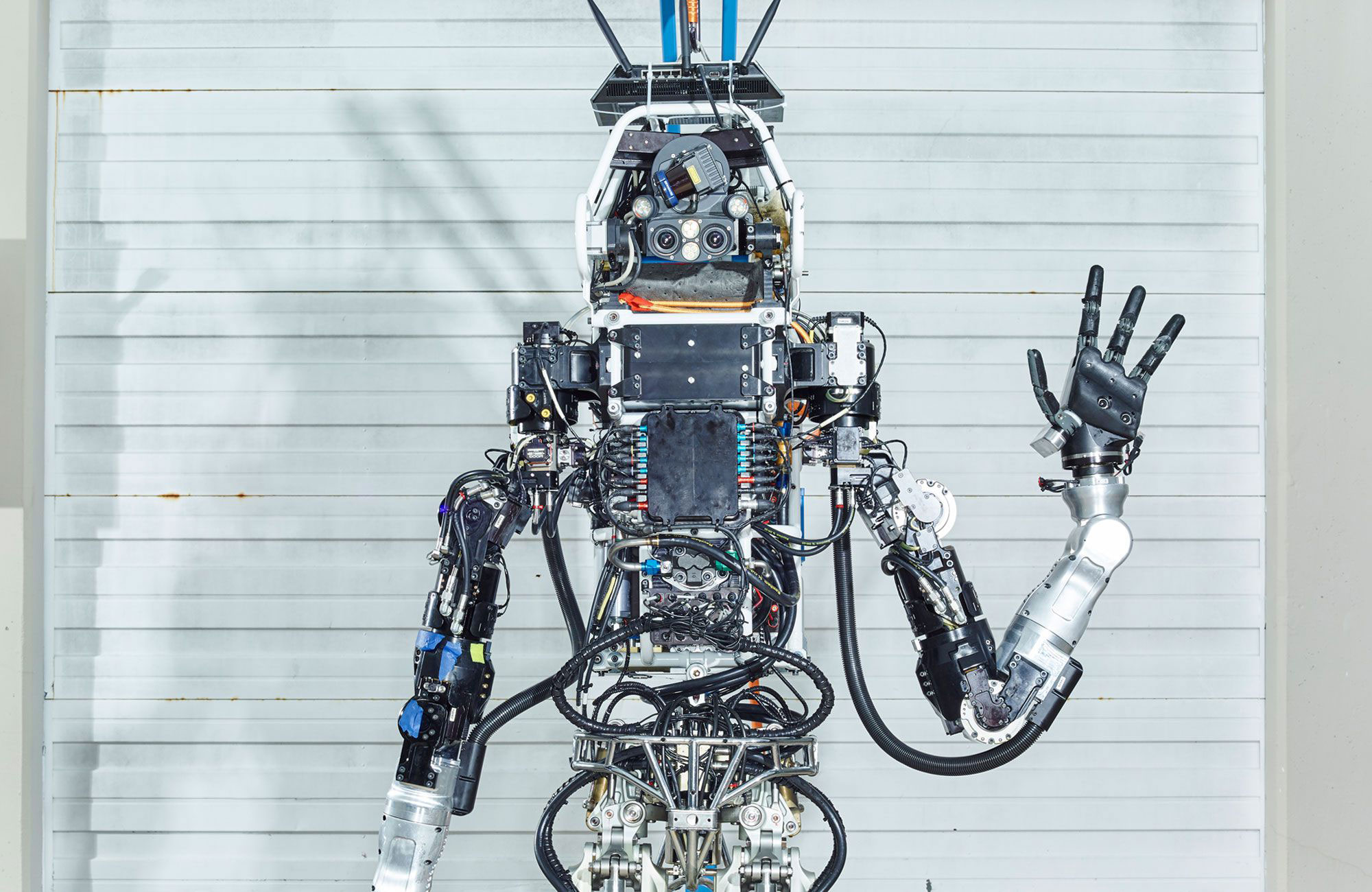
The Defense Advanced Research Projects Agency (DARPA) has awarded TRACLabs Inc. a six-month, $100,000 contract to design a robot system that can perform tasks such as juggling, playing drums, typing on a keyboard, threading a needle and using tools such as hammers and saws.  TRACLabs will apply technology developed under NASA's Robonaut program to accomplish this task.


The Biclops
Pan/Tilt (PT)
mechanism is a two-axis motion control device for aiming one or more sensors, typically cameras. Since Biclops is compact, lightweight, and has low power consumption, it is well suited for robotic vehicle applications.

Biclops comes standard with mounting tabs for attachment to a flat surface and also provides a standard 1/4-20 tripod mount. All axes are under closed-loop control, with motion commands supplied by an external computer.


Data Interpretation & Summarization
Complicated systems such as space vehicles, unmanned air vehicles and robots produce huge amounts of data that must be interpreted and summarized.  Often this interpretation and summarization is done manually which is costly, error-prone and time-consuming.  Our researchers create systems that automatically interpret and summarize data from a wide variety of sources.   This work, funded by NASA and DARPA, focuses on monitoring and control of manned and unmanned assets. 


Mobile Manipulation
NASA awarded TRACLabs a grant to design and build the next generation of mobile manipulators for NASA robots.   The new light-weight, low-power manipulator sports seven-degrees-of-freedom and is completely self-contained by embedding all electronics within itself.  Its universal coupling allows for automatic change-out of end effectors for a plug & play like flexibility. TRACLabs, in cooperation with Carnegie Mellon University, is also designing software control algorithms to couple the manipulator control with the robot base control. 


Home | Robotics | Automation | Contact | TRACLabs, Inc. © 2009